 {# Overlay logo in the middle of the banner, no layout shift #}


Atlanta’s Women’s Soccer Story: From the Beat to the Big Stage
Atlanta is about to make history again. On Tuesday, the National Women’s Soccer League will officially announce a new franchise in the city - marking the return of professional women’s soccer to Atlanta for the first time in more than a decade.
For longtime fans, it’s more than an announcement. It’s a full-circle moment that ties together the legacy of the Atlanta Beat, the United States Women’s National Team’s (USWNT) sold-out visits, and years of quiet anticipation for the city to once again have a team to call its own.
The Atlanta Beat: A Foundation Ahead of Its Time
Atlanta’s first professional women’s soccer team, the Atlanta Beat, debuted in the Women’s United Soccer Association (WUSA) in 2001 - the first fully professional women’s soccer league in the world.
The Beat were a founding member, and one of the league’s model clubs: the only team to reach the playoffs in each of the WUSA’s three seasons and finalists in both 2001 and 2003.
Led by U.S. National Team stars Briana Scurry, Cindy Parlow Cone, and Nikki Serlenga, the Beat played their inaugural season at Bobby Dodd Stadium before moving to Herndon Stadium.
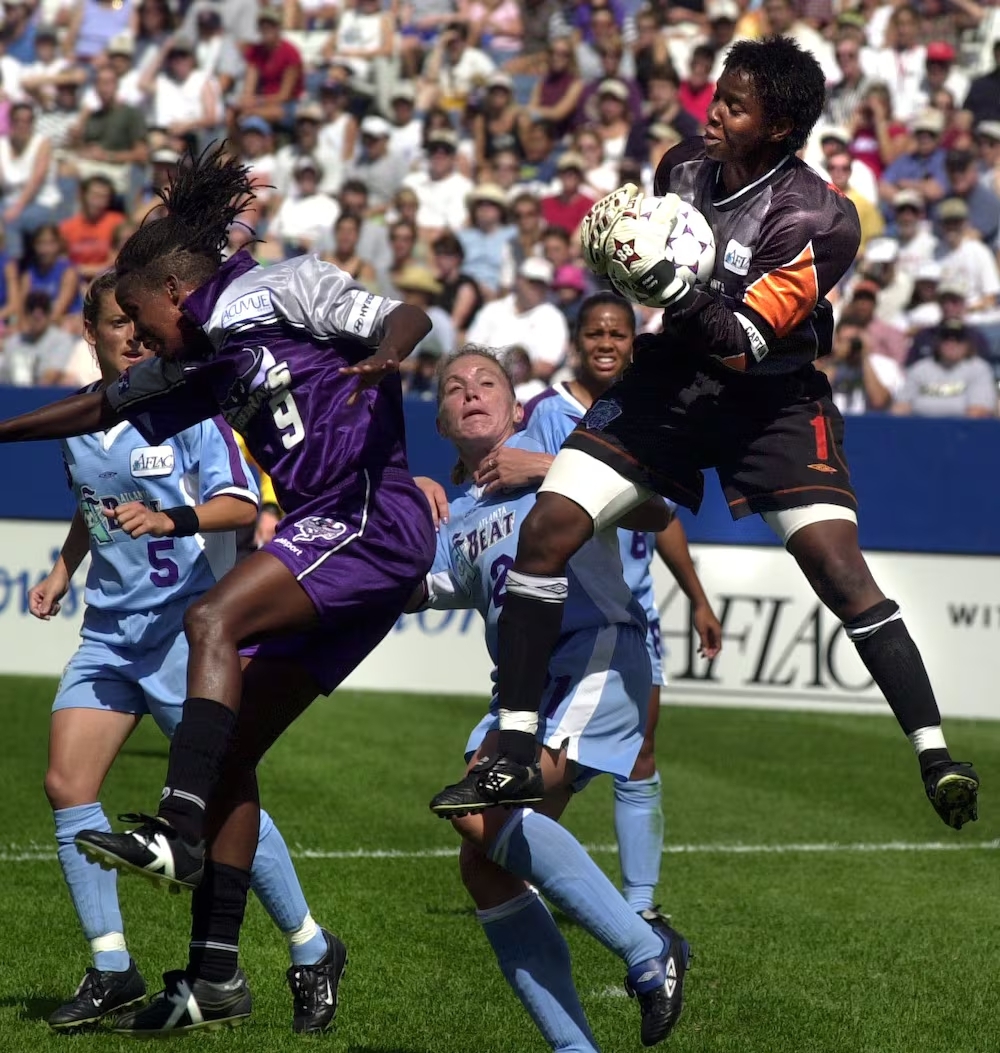
Scurry, one of the most iconic American goalkeepers, still recalls her Atlanta experience fondly.
“Atlanta was very, very good to me. I have incredibly fond memories of living there. It probably helped that that team was really, really good. We beat the heck out of everybody,” she told The Atlanta Journal-Constitution in 2020.
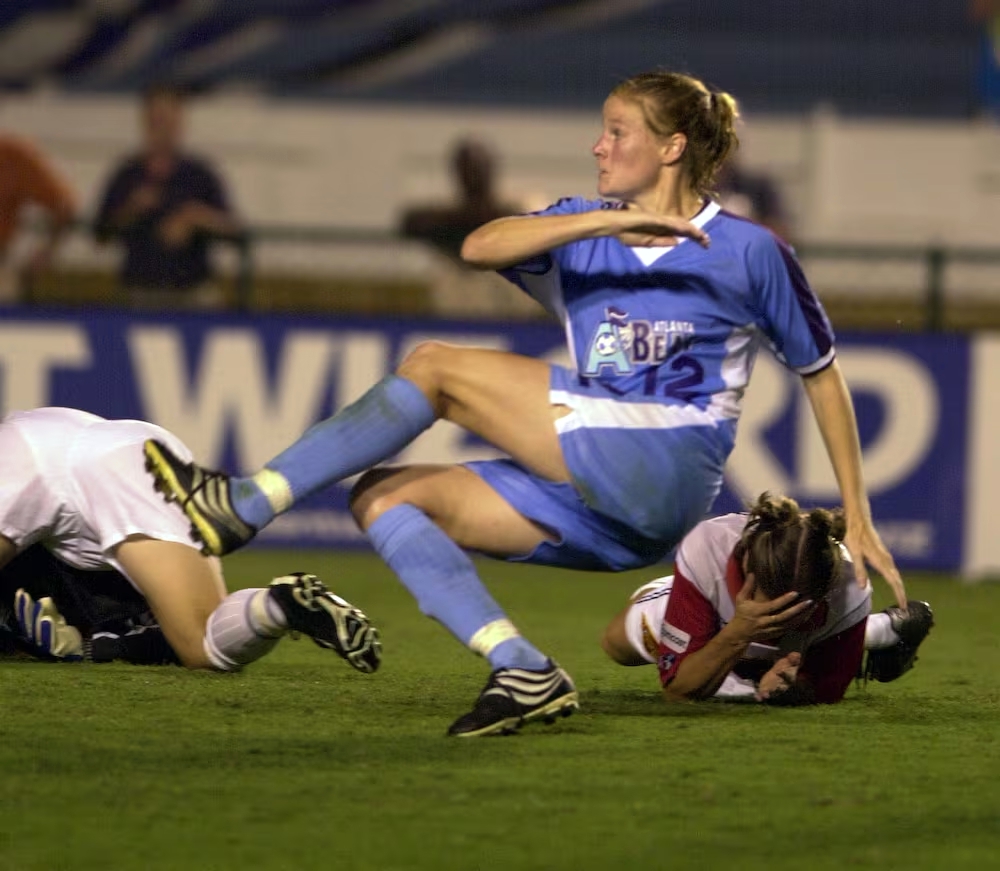
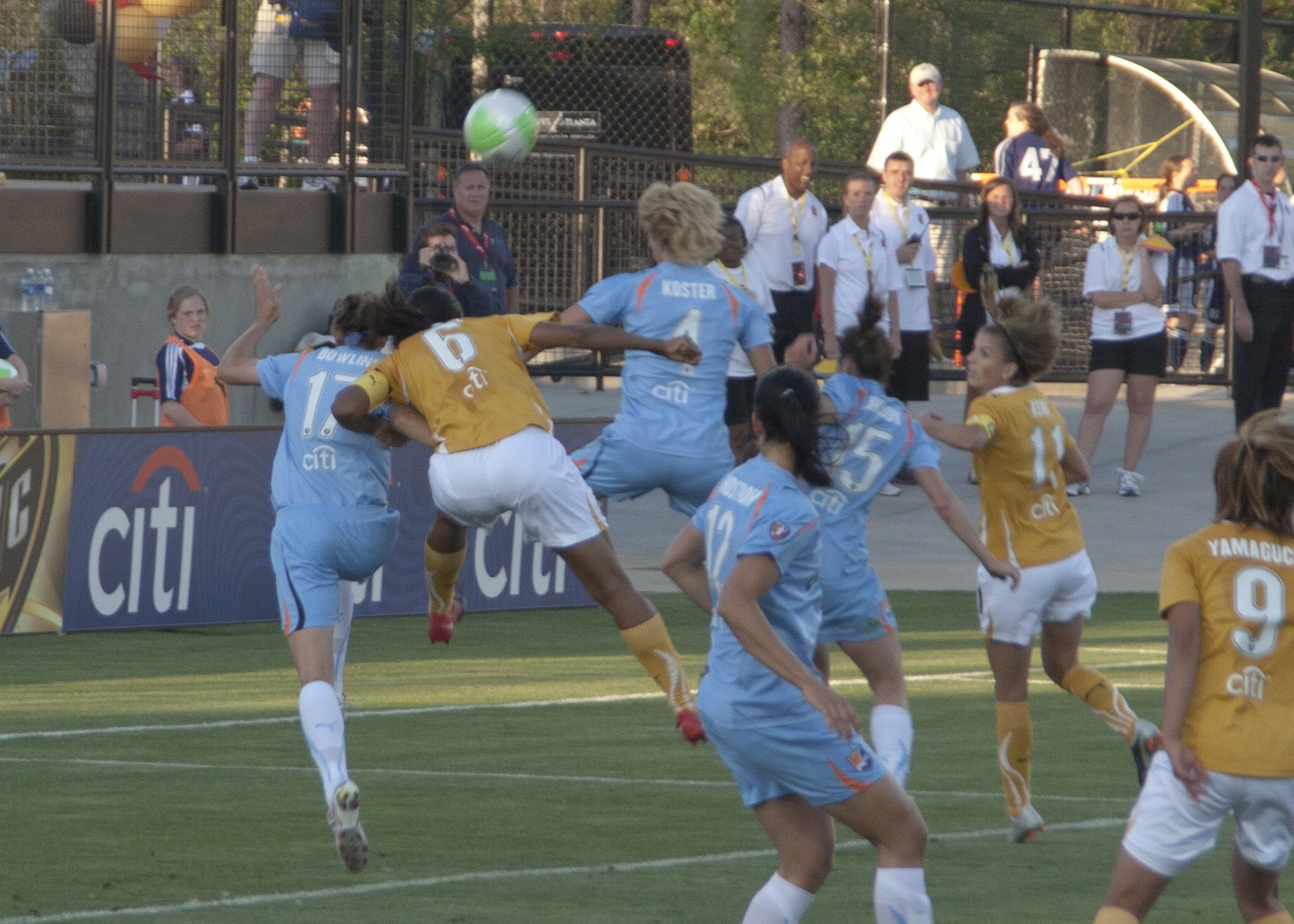
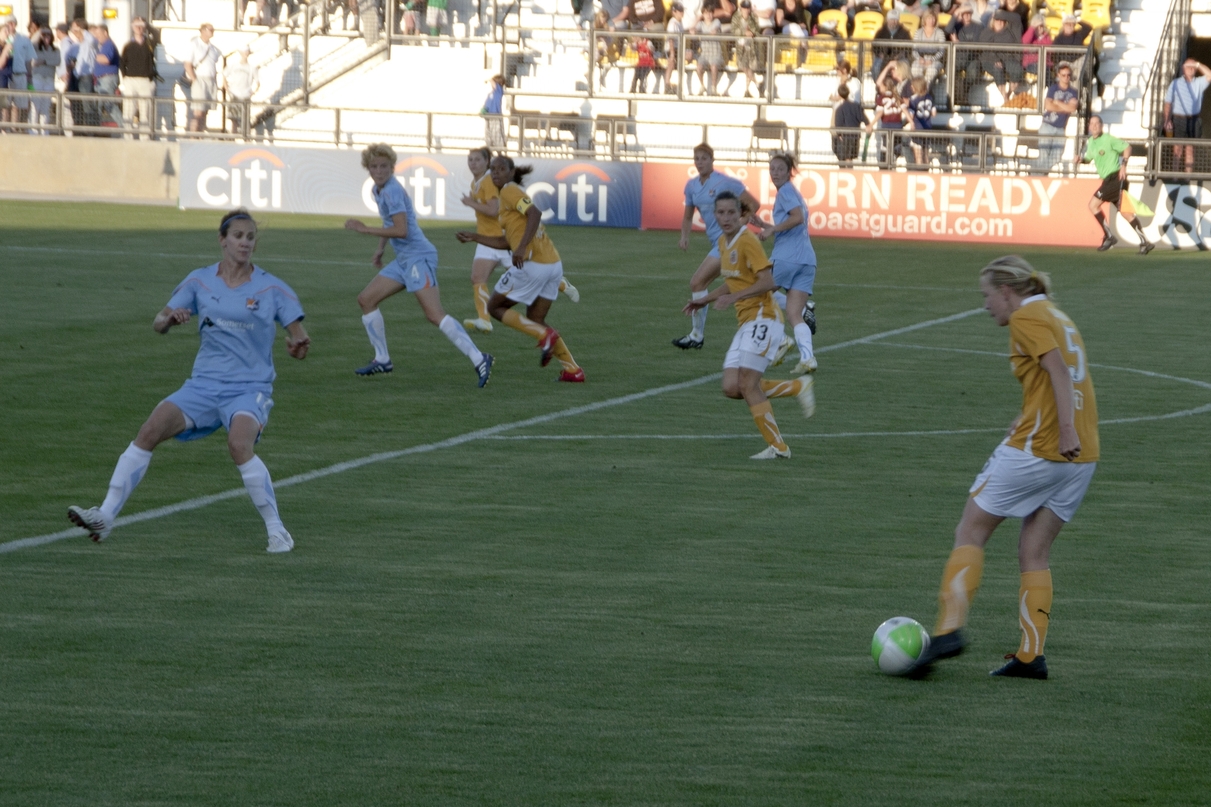
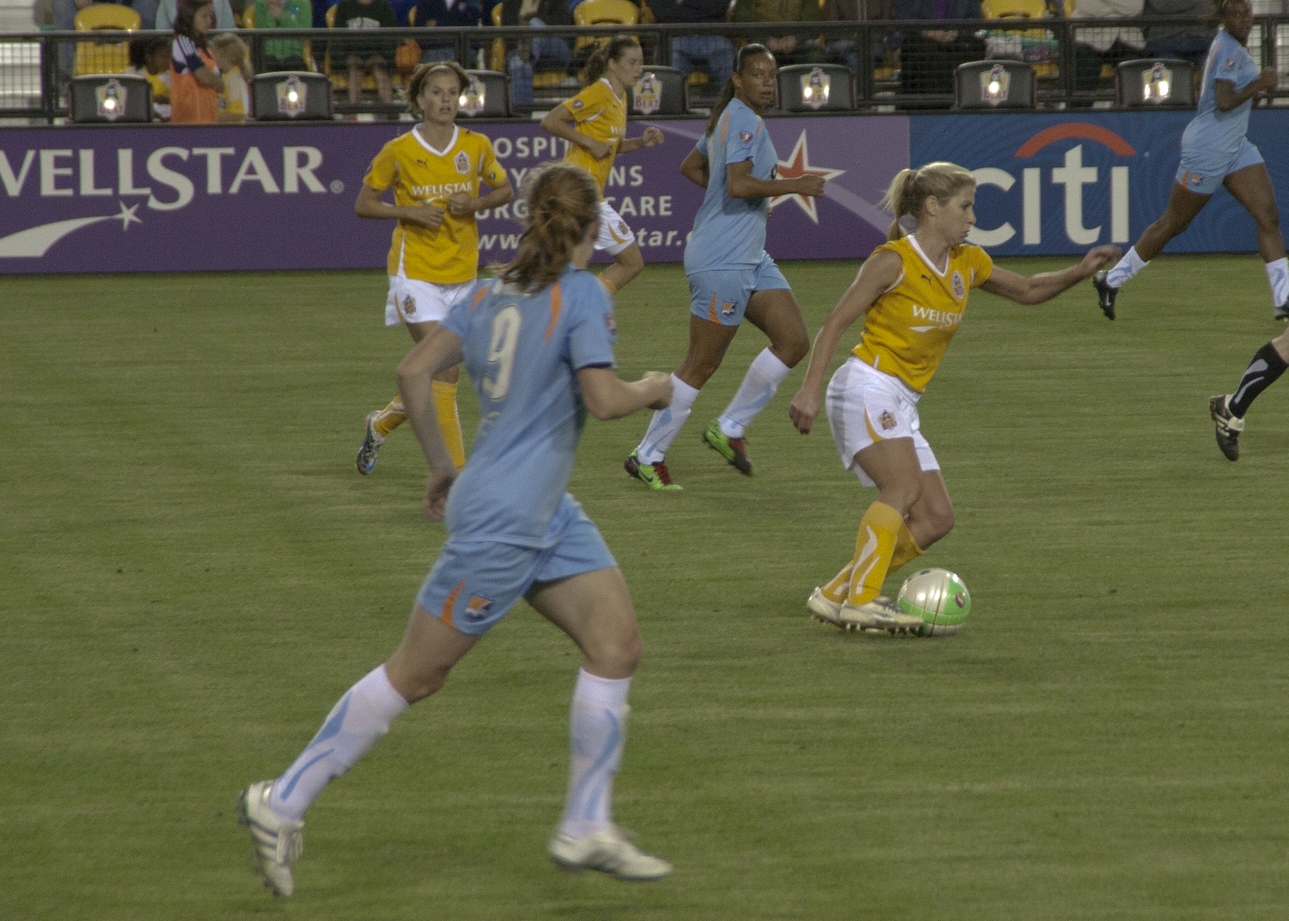
The WUSA folded in 2003, but Atlanta’s connection to women’s soccer persisted. A second incarnation of the Beat returned in 2010 in the Women’s Professional Soccer (WPS) league, this time playing at Kennesaw State’s Fifth Third Bank Stadium - now the home of Atlanta United 2. But this version of the Beat were plagued by challenges.
Tobin Heath, the team’s top pick, suffered a season-ending ankle injury in the 3rd game. The top international pick, Ramona Bachmann, was also hampered by injuries. The Beat went winless in the first 10. Mid-season, the St. Louis Athletica folded. Atlanta acquired 4 players including Hope Solo. It helped, but the team remained last and the Head Coach was relieved with five games remaining.
The home debut did see a record crowd of 7,248, but lost 1-0 due to an own goal.
2011 saw league-wide instability. Team staff were released as were many of the bankable players. The only major addition was Carli Lloyd, but she only played in 7 matches. This season was worse than the previous, the Beat scoring just 7 goals in 18 matches.
That team, too, lasted only two seasons before WPS folded in 2012. The Beat’s final public action saw the team acquire Sydney Leroux out of UCLA in the draft. The league folded 2 weeks later.
The NWSL began play in 2013. But Atlanta would need to be patient for the right owner and league stability. “We just need Atlanta to tell us that they want this,” investor Trey Brantley said back in 2015 when the NWSL was still in its infancy. A decade later, Atlanta has made its answer clear.
International Moments in the City
Even without a permanent professional team, Atlanta has repeatedly proven its passion for the women’s game on the international stage.
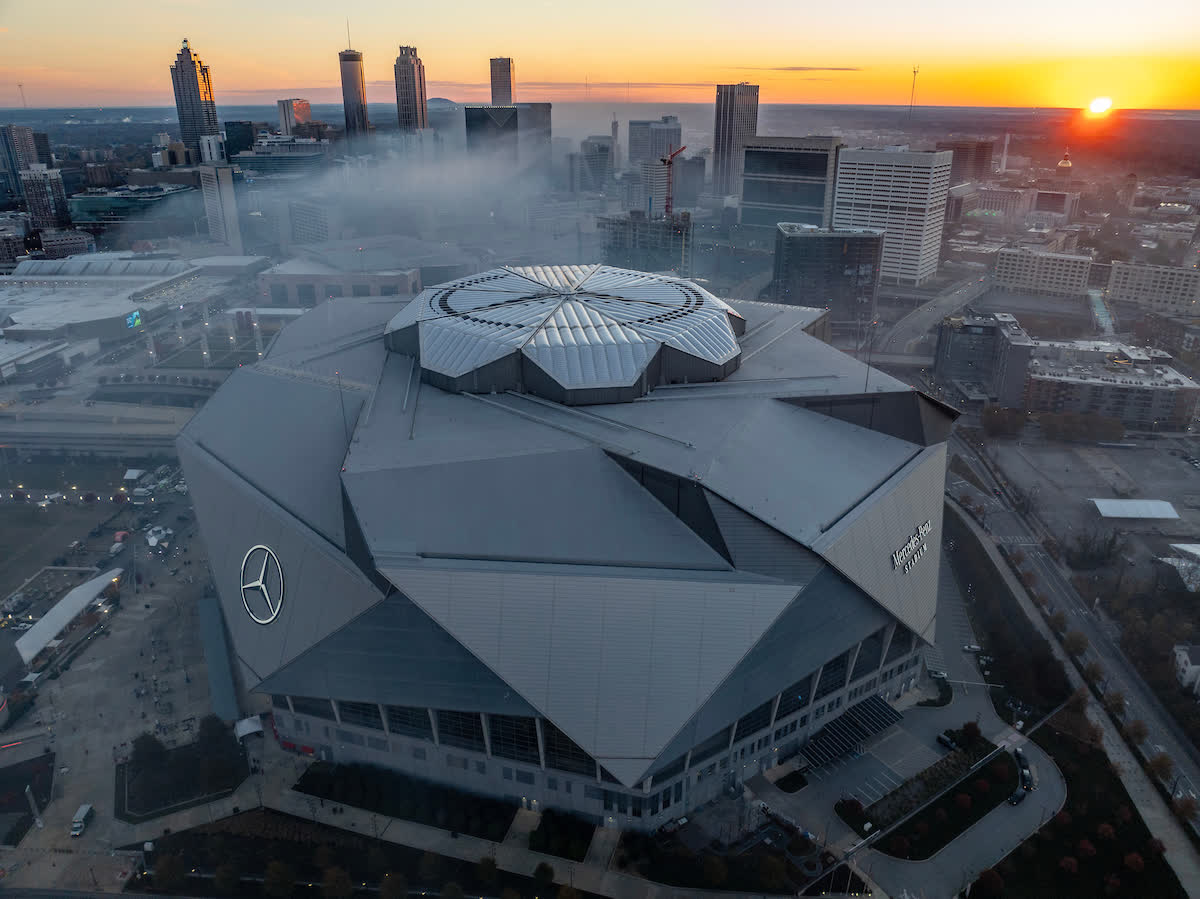
The USWNT has played several high-profile matches in Georgia, including stops during the 1996 Olympics and multiple friendlies in the 2000s and 2010s. But it was April 6, 2024 that truly underlined Atlanta’s potential: 50,644 fans packed Mercedes-Benz Stadium for a SheBelieves Cup doubleheader - setting a new record for a USWNT friendly on home soil.
The match against Japan was more than an exhibition; it was a statement. Atlanta’s fan base, stadium infrastructure, and enthusiasm put it among the top cities in America for women’s soccer potential - a fact not lost on U.S. Soccer leadership or NWSL officials.
Personal Memories That Bridge Eras
For me, that night at the Benz wasn’t just another national team match. It was the culmination of something that started more than twenty years ago, when I first watched the Beat play.
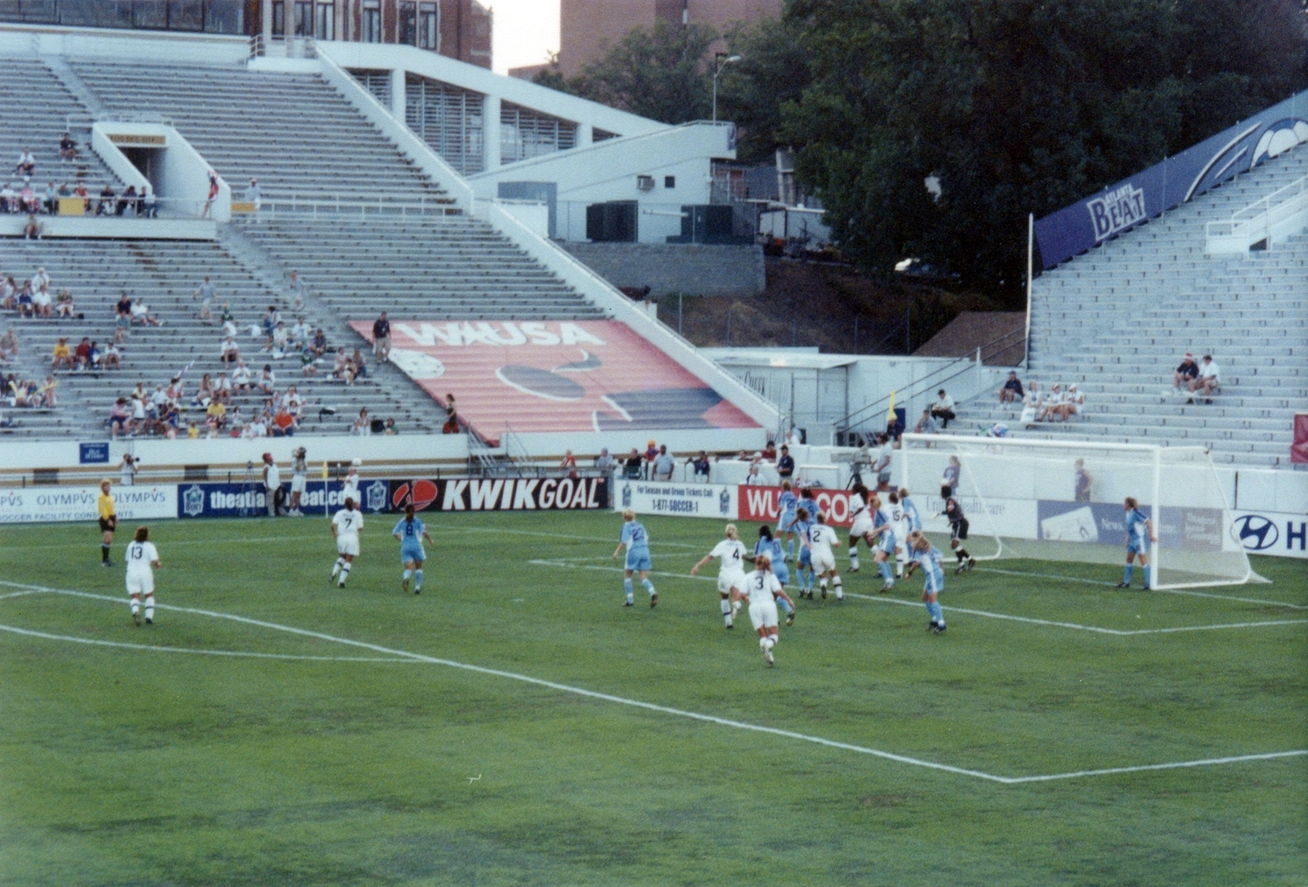
Watching the Beat in KSU was a thrill, and it provided a wonderful atmosphere. Those early games had a charm of their own - smaller venues, closer connections with the players, a community still learning what professional women’s soccer could be.
And then there were the moments I missed - like a USWNT match a decade ago that I couldn’t attend because of an Atlanta ice storm. My wife was in her final trimester, and the roads were too dangerous for us, and many Atlantans, to risk. The next time they traveled to Atlanta for the SheBelieves Cup would be different, and an amazing event at Mercedes-Benz.
The Return: A New NWSL Era
The new Atlanta NWSL team is expected to join the league after 2026, backed by an ownership group led by Arthur Blank and the AMB Sports + Entertainment - the same structure that built Atlanta United into an MLS powerhouse.
While the name and crest are yet to be revealed, expectations are already sky-high. If Atlanta United’s launch in 2017 is any indication, the city will again combine ambition with atmosphere.
Why This Moment Matters
Atlanta’s addition gives the NWSL its 17th club and strengthens the league’s southeastern footprint, joining markets like Orlando and North Carolina. It also provides new pathways for local talent - Georgia produces high-quality talent. They will now have the opportunity to play for a local club.
For the fans who stood with the Beat, for those who filled the Benz for the USWNT, and for the new generation who’ll grow up cheering for an Atlanta team in the NWSL, this is a long-awaited homecoming.
Looking Ahead
When the official announcement is expected Tuesday, it will be more than a press conference - it will be a generational reset. A city that once nurtured pioneers like Scurry and Parlow Cone now welcomes a new wave of players who’ll carry that torch. From Bobby Dodd to Mercedes-Benz Stadium, Atlanta’s women’s soccer story has always been about persistence - and about fans who never stopped believing the city would have its team again.
ATL NWSL VIPs ATLANTA · NWSL